

Several studies have found intermittent fasting can decrease blood markers of inflammation. This means in the future it may be found useful in treating inflammatory conditions. Peoples of some cultures have been fasting for thousands of years for health or spiritual reasons. And each day we ‘break the fast’ with the first meal of the day no matter what time it is eaten. To fast is to trust the body’s ancient wisdom, to allow it to reset, repair, and thrive. For decades, we’ve been told breakfast is the most important meal of the day.
Is 20:4 a good intermittent fasting schedule?
Join me as we embrace a journey of transformation, one plate and step at a time, towards a healthier, happier you. The right supplementation can help bridge any nutritional gaps and support your body during the fasting period. Protein supplements like whey or plant-based options can provide essential amino acids to support muscle growth and recovery. Electrolyte supplements can help maintain proper hydration and prevent imbalances, especially when fasting for an extended period of time. Your social life and commitments can greatly influence your eating window choice.

My experience with intermittent fasting
Feasting and fasting is the natural cycle of life, and fasting allows you to fully participate in holidays, vacations and other important moments. It’s free, it’s convenient — you can do it while traveling or when you have a really busy schedule, it’s flexible — and you can take some time off from it without losing all the benefits you gained. One of the reasons I believe in incorporating fasting into your lifestyle is that it’s really simple. To many of us, when hunger happens, it signals a warning bell in our brain. And because it’s uncomfortable and unfamiliar, we scramble to fix it. But these days, with our global food supply and convenient lifestyles, we need to impose food scarcity upon ourselves to reap these therapeutic rewards.
Also, keep in mind that if you choose to try fasting, your medication regimen may be affected. Talk to your healthcare provider before you make any changes to the times you take your medications. Intermittent fasting is when you alternate between eating and fasting. This type of eating is often described as “patterns,” “cycles” or “schedules” of fasting. When coupled with a nutritious diet and healthy lifestyle, incorporating fasting into your routine could benefit your health. Additionally, fasting is not generally recommended without medical supervision for older adults, adolescents, people with underweight, or people undergoing cancer treatment.
Is a 20-Hour Fast Better than 16 Hours?
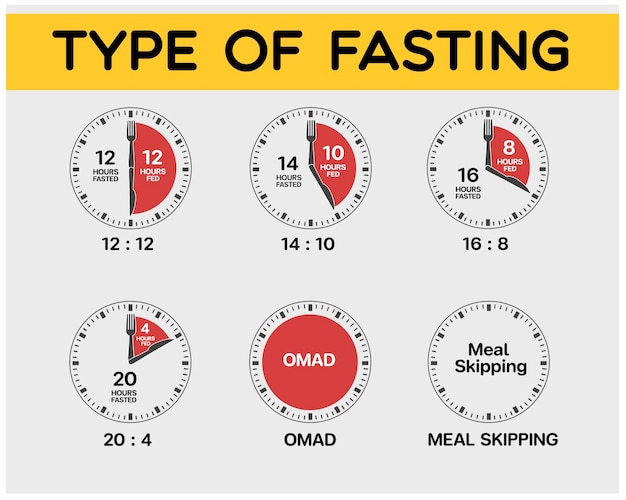
Semnani-Azad added that despite intermittent fasting’s potential effectiveness, it isn’t the right dietary or lifestyle choice for everyone. During your fasts, stick to calorie-free drinks like tea without milk or sugar, black coffee, and water. Intermittent fasting 20/4 is a more restrictive adaptation of intermittent fasting, also known as the Warrior Diet. Most of us eat throughout the day, starting with breakfast when we wake up and perhaps ending with a dessert after dinner. The frequency of 20/4 intermittent fasting can vary based on personal preferences and goals. The primary distinction between 20/4 fasting and 24-hour fasting is the duration of the fasting period.
Get your personal workout planfor
However, it is not clear whether changes to these health markers are due to the fasting pattern itself or the overall energy deficit. Many people find the 16/8 method to be the simplest and most sustainable method to stick to. Researchers are exploring fasting as a potential strategy against neurodegenerative diseases like Alzheimer’s and Parkinson’s, though evidence in humans is still emerging. Intermittent fasting 20/4 is a variation rooted in the “Warrior Diet”—a diet invented by the health and fitness author Ori Hofmekler [2]. It’s simply one of many lifestyle strategies that can improve your health.
Benefits of Intermittent Fasting 20/4
- There are many different types of fasts, and you can incorporate each different type into your lifestyle in order to make it sustainable.
- Additionally, having the majority of calories in the later part of the day may align with the body’s natural circadian rhythm.
- While weight loss is a primary motivation for many adopting the 20-hour fast, potential benefits extend beyond the scale.
- Before you start, it’s important to take a moment to reflect on your goals.
- Additionally, the review combined water-only fasts and Buchinger fasts, so it’s unclear how an alternative approach, like a prolonged bone broth fast (which contains protein), might influence outcomes.
- For this reason, there is the risk of developing nutrient deficiencies due to a lack of vitamins, minerals, and protein.
On this plan you eat normally for 5 days of the week, and on the remaining 2 days you reduce your caloric intake to around 500 calories. Any type of fasting, whether it’s intermittent fasting or long multi-day fasting, creates all those benefits I just mentioned. The researchers noted that most of the clinical trials lasted less than 24 weeks and that much more research is needed on intermittent fasting’s long-term health impacts.
Fasting Myth #5: Fasting leads to nutrient deficiencies
Though the word “stress” is often used in a negative sense, taxing the body and mind has benefits. Consider vigorous reviews of unimeal exercise, which stresses, in particular, muscles and the cardiovascular system. As long as you give your body time to recover, it will grow stronger.
Fasting Myth #3: Fasting causes low blood sugar.
Some of the other potential side effects of fasting13 include fatigue, hunger, irritability, low mood, difficulty concentrating, and obsessive food-related thoughts. According to recent studies, if you consider losing weight, an 18-hour fast can be as effective as a 20-hour fast. Phillips (2019) has researched the effect of intermittent fasting on sleep and found that some individuals may experience sleep disorders like insomnia or oversleepiness after fasting. It is no secret that avoiding food for long hours, like fasting for 20 hours, can cause bad breath. This point has also been confirmed by different studies conducted by Gonçalves et al. (2019), Mogilnicka et al. (2020), and Bovey et al. (2018). Despite irritability, the participants of this study experienced a higher sense of achievement, pride, and self-control after the fasting period compared to the start of the study.
Fasting for more than 20 hours can increase concentrations of beneficial gut bacteria while lowering levels of potentially harmful microbes. During fasting periods, your digestive tract can rest, which allows the delicate lining of your small intestines to heal. This enhances nutrient absorption and strengthens the gut’s immune defenses. Interestingly, three to four months after subjects completed the fasts, they sustained none of these metabolic benefits, even if they maintained the weight loss. You’ll see a lot of different prolonged fasting approaches mentioned on the internet—partly because there’s no set definition or parameters for the best way to do one. And to be clear, research on longer fasts in humans is quite limited, so much of what we present here is based on expert opinion.
Study Unveils Link Between SARS-CoV-2 Vaccines and Guillain-Barré Syndrome Risk
So, you should eat healthy foods that provide you with the necessary nutrients. Intermittent fasting 20/4 can help you control weight by limiting calorie consumption. However, it is healthier for you to try easier fasting ratios first before starting a 20 hour intermittent fasting because there might be side effects.
Is 20:4 intermittent fasting suitable for weight loss?
A personalized, individualized approach to intermittent fasting is recommended, and you should experiment with different fast lengths and find what works best for your body and lifestyle. A 20-hour fast sounds challenging, and for some, it may seem downright impossible. Yet research has shown some pretty impressive benefits of adopting this intermittent fasting pattern. If this is a priority for you, consider combining fasting with a nutritious diet and other healthy habits. It’s always advisable to consult a healthcare professional before you make significant changes to your diet or fasting routine. However, you should adjust the intensity of your workouts based on how you feel while fasting.
If you have a demanding job or exercise a lot, your body will need a more consistent supply of energy. This could be an easier way to help your body adjust to fasting and it will allow you to pay attention to how you feel. Listening to your body is the key to finding the right balance for you.